Complete Guide to Electronics Recycling Services
Green Initiatives: How E-Waste Recycling Services Are Protecting Our Planet
E-waste represents a considerable hazard to the environment, as discarded electronics often contain toxic materials. These toxic materials have the potential to taint soil and water sources, resulting in widespread environmental harm. Electronic waste recycling programs offer an effective remedy. They not only recover valuable resources but also mitigate pollution. Comprehending the operation of these services and their influence on communities is of great importance. Pursuing efficient e-waste management brings forth pressing questions regarding individual duties and shared responsibility. What actions should be considered going forward?
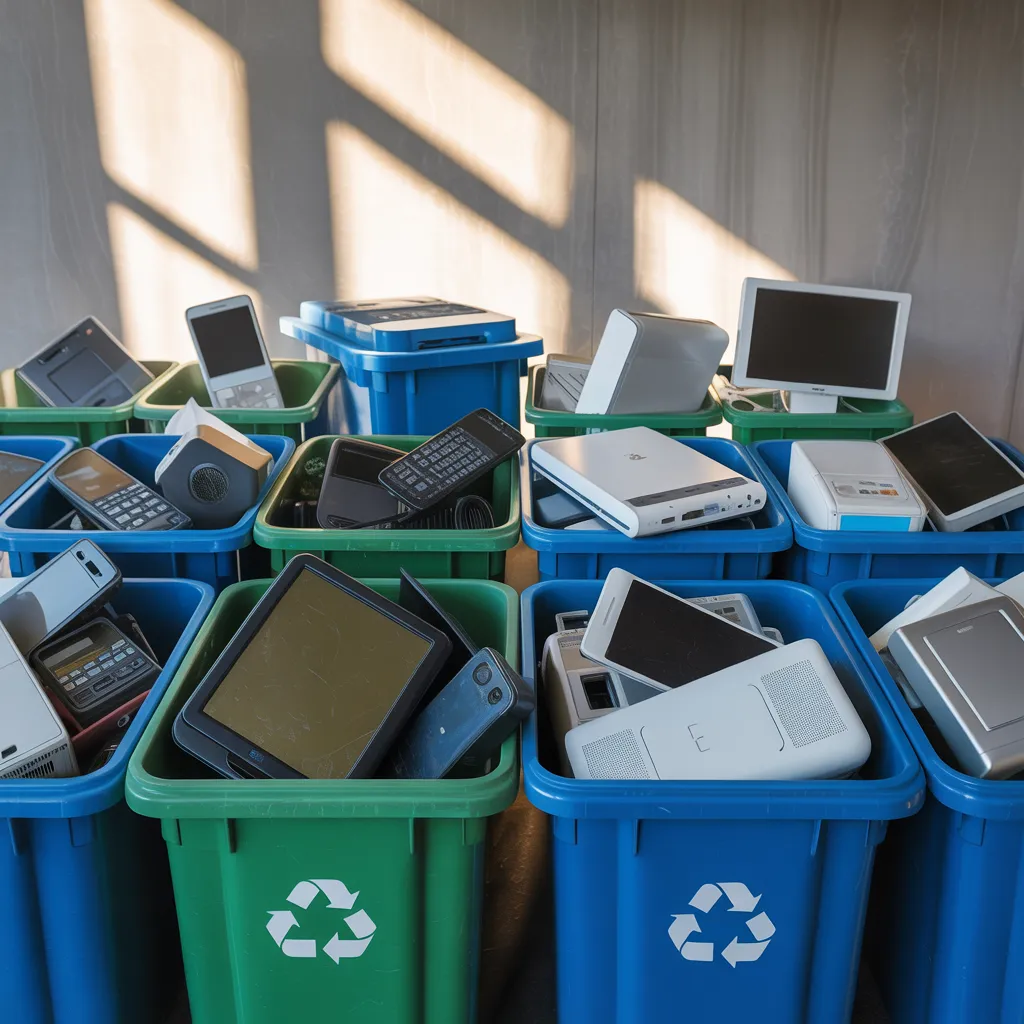
Why Electronic Waste Is Harmful to the Planet
Although technology enhances our daily lives, e-waste poses serious threats to the environment. Disposed electronic equipment, commonly laden with toxic substances including mercury, lead, and cadmium, may release harmful substances into the surrounding soil and water supply, presenting dangers to both wildlife and human well-being. The swift progression of technology contributes to higher rates of electronics disposal among consumers, exacerbating the accumulation of e-waste.
Landfills, already strained by waste, are unable to keep up with the rising quantities of abandoned electronics. Incineration, another disposal method, releases harmful pollutants into the atmosphere, contributing to air quality degradation. Moreover, poor recycling procedures can cause e-waste to be sent to developing regions, where employees may disassemble electronics without sufficient safety precautions, leaving them vulnerable to harmful substances. This cycle of neglect and improper handling underscores the urgent need for sustainable recycling solutions that can mitigate the adverse effects of e-waste on the planet.
What Is E-Waste and Its Importance?
E-waste, or electronic waste, encompasses obsolete electronic products like computers, smartphones, and televisions that have exceeded their operational lifespan. This rapidly expanding waste category is noteworthy due to its rapid accumulation, driven by technological advancements and consumer trends. As growing numbers of electronics become outdated, the toll on the environment grows more severe, with harmful substances like lead, mercury, and cadmium posing risks to ecosystems and human health.
The significance of tackling e-waste extends beyond minimizing these risks to recognizing the valuable resources it holds. Critical metals and rare earth components can be reclaimed and recycled, decreasing the reliance on mining and protecting natural resources. By understanding e-waste and its implications, individuals and organizations can make informed decisions about disposal and recycling, ultimately contributing to a more sustainable future. Effective handling of e-waste is vital for encouraging a circular economy and advancing environmental responsibility.
How the E-Waste Recycling Process Works
Recycling e-waste involves a structured approach designed to recover valuable materials while limiting ecological damage. Initially, discarded electronics are retrieved and sent to purpose-built recycling plants. Once there, the devices undergo thorough sorting to separate hazardous components from recyclable materials.
Next, technicians take apart the electronics, separating metals, plastics, and glass. This phase is essential, as it facilitates the reclamation of precious metals like copper, gold, and silver, which can be reused in new electronics.
Afterward, the sorted materials are refined using sophisticated techniques, such as shredding and specialized chemical treatments, to refine them for recycling.
Finally, the residual dangerous materials are managed properly, following eco-friendly standards. This comprehensive process not only preserves valuable resources but also reduces the dangers associated with unsafe e-waste handling, guaranteeing a greener future for electronic consumption.
Benefits of E-Waste Recycling for You and Your Community
Though many people are unaware, the advantages of e-waste recycling extend beyond personal convenience to positively impact entire communities. By properly recycling electronic waste, individuals play a role in creating a healthier environment, reducing hazardous materials that can seep into soil and water. This forward-thinking practice helps preserve local ecosystems and advances public health.
Additionally, e-waste recycling fosters job creation within communities. Local recycling facilities often require personnel for numerous tasks, from collection to processing, thus generating valuable job opportunities for community members. This not only boosts the local economy but also encourages community engagement in sustainable practices.
Additionally, knowledge about e-waste recycling has the potential to generate educational initiatives, equipping residents to embrace sustainable practices. By taking part in e-waste recycling programs, individuals nurture a culture of sustainability, inspiring others to follow suit. All things considered, the shared impact of these actions can contribute to a more strong and environmentally aware community.
How to Pick an E-Waste Recycling Service
Picking the best electronic waste recycling provider is vital for guaranteeing that electronic refuse is managed in a responsible and sustainable manner. Initially, consumers should check the provider's accreditations, such as R2 and e-Stewards certifications, which indicate conformance to established benchmarks for secure waste disposal procedures. It's also important to evaluate the company's credibility by checking reviews and looking for recommendations from trusted sources.
Furthermore, clarity in the recycling process is essential. A trustworthy service should offer detailed insights about how e-waste is processed and what happens to the materials. Additionally, assessing the variety of services available can be advantageous; certain providers may offer collection services or present rewards for recycling.
In addition, familiarizing yourself with area-specific requirements for e-waste disposal can additionally influence the selection process. By prioritizing these factors, residents can actively participate in effective e-waste management while also advancing green and responsible behaviors.
How You Can Take Part in E-Waste Recycling?
Engaging in e-waste recycling often starts at the local level, where recycling centers frequently offer essential services for safe disposal. Moreover, participating in community awareness campaigns can strengthen efforts to educate others about the importance of ethical e-waste practices. These initiatives not only advance environmental sustainability but also build a collective sense of responsibility toward the environment.
Nearby Recycling Facilities
A wide range of community recycling facilities play an essential role in recycling electronic waste, offering communities convenient opportunities to discard electronic waste in an eco-friendly way. These centers accept a wide array of electronic devices, including aging computers, cell phones, and television sets, guaranteeing that dangerous substances are processed safely. Most centers are equipped with knowledgeable personnel who help individuals navigate appropriate disposal procedures, emphasizing the importance of recycling over landfilling. In addition, several stations organize scheduled drop-off occasions or specific collection dates, allowing residents to take part with ease. By taking advantage of these neighborhood resources, people help build a circular economy, minimizing ecological impact and fostering sustainable behaviors. Partnering with these facilities enables communities to combat e-waste pollution successfully.
Public Awareness Initiatives
Local organizations, schools, and businesses can work together to organize events that support e-waste collection drives. Volunteers can play a pivotal role in promoting knowledge, handing out educational content, and interacting with the surrounding community. As a result of these combined actions, local See all inhabitants gain greater awareness and encouragement to properly recycle their e-waste, thus playing a meaningful role in creating a more environmentally responsible future.
Answers to Your Most Common Questions
What Types of Electronics Can Be Recycled?
A wide range of electronics can be recycled, including computers, smartphones, televisions, laptops, gaming consoles, and printers. In addition, peripherals such as keyboards, mice, and batteries are equally appropriate for recycling, supporting eco-friendly conservation initiatives.
Do Any Costs Come With E-Waste Recycling?
That's correct, electronic waste recycling can include fees, based on the facility. Some facilities apply costs for collection or processing, while others provide no-cost solutions, often subsidized by the sale of reclaimed components.
What Are the Benefits of E-Waste Recycling for Businesses?
Organizations can gain from e-waste recycling by minimizing disposal costs, strengthening their ecological standing, adhering to regulatory requirements, reclaiming useful materials, and potentially generating revenue through resale, thereby fostering a more environmentally responsible business approach.
What Happens to Data on Recycled Devices?
Information on recycled equipment is frequently completely removed or destroyed during the refurbishment process. This ensures private details is kept safe, stopping improper access while enabling materials to be repurposed safely and responsibly in new products.
Are Broken Electronics Eligible for Recycling?
Absolutely, defective electronics can be recycled. A wide range of facilities process defective devices, providing proper disposal and extraction of valuable materials. This effort helps minimize harm to the environment while fostering eco-friendly recycling methods to address e-waste effectively.